
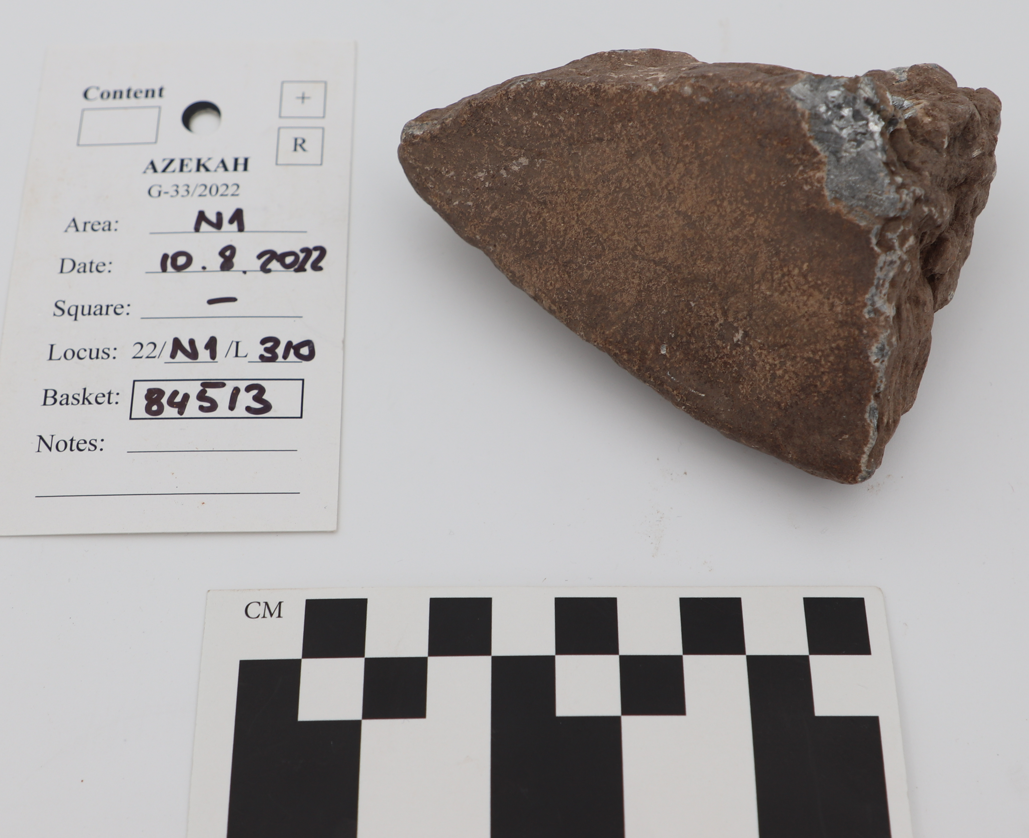
Antimony is a chemical element belonging to a limited group of metals known already in ancient times. The common mineral of Antimony trisulfide is the crystalline mineral stibnite and the amorphous red mineral metastibnite (Sb2S3). Ancient Greek and Latin writers referred to it using different versions of the name Stibium, and thus it was given the chemical symbol Sb (atomic number 51).
Antimony appears in its metallic state in nature only very rarely. It is usually found in a compound with sulfur or with heavier metals such as copper, lead and silver.
People in ancient times were familiar with the mineral antimony, and compounds of antimony with other minerals have been used for thousands of years in China, Egypt and elsewhere. One of the common antimony minerals, stibnite (Sb2S3), was used in ancient Egypt as early as 5,000 years ago for cosmetics – mainly as eyeliner, and the Sumerians also knew how to isolate it from other metals. In the Greek and Roman cultures, it was used for cosmetics and medicine as well. Another of its utilization was as an addition to glass, as a colourant, or in order to neutralise its tint.
Today, the main markets for antimony are the plastics industry (over 60% of antimony), the microelectronics industry, the chemical industry and metallurgical processing. The use of antimony is usually in small amounts in various metal alloys for the purpose of improving their mechanical properties.
A block of almost completely pure (96%) raw antimony was found in area N1e in Tel Azeka. As far as we know, there were no other such finds of antimony in any other archaeological excavation in the Levant, certainly not from pre-Roman times.
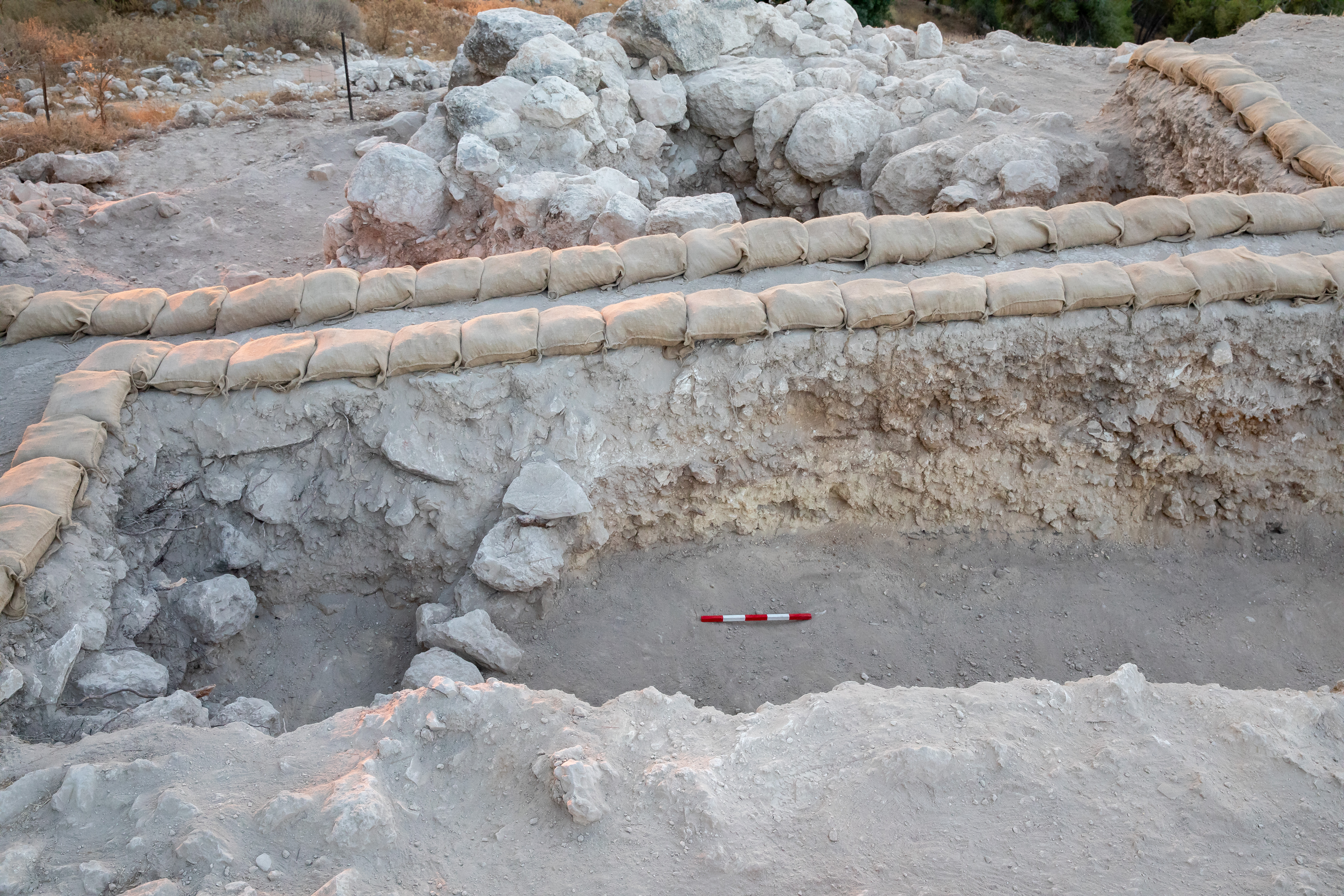
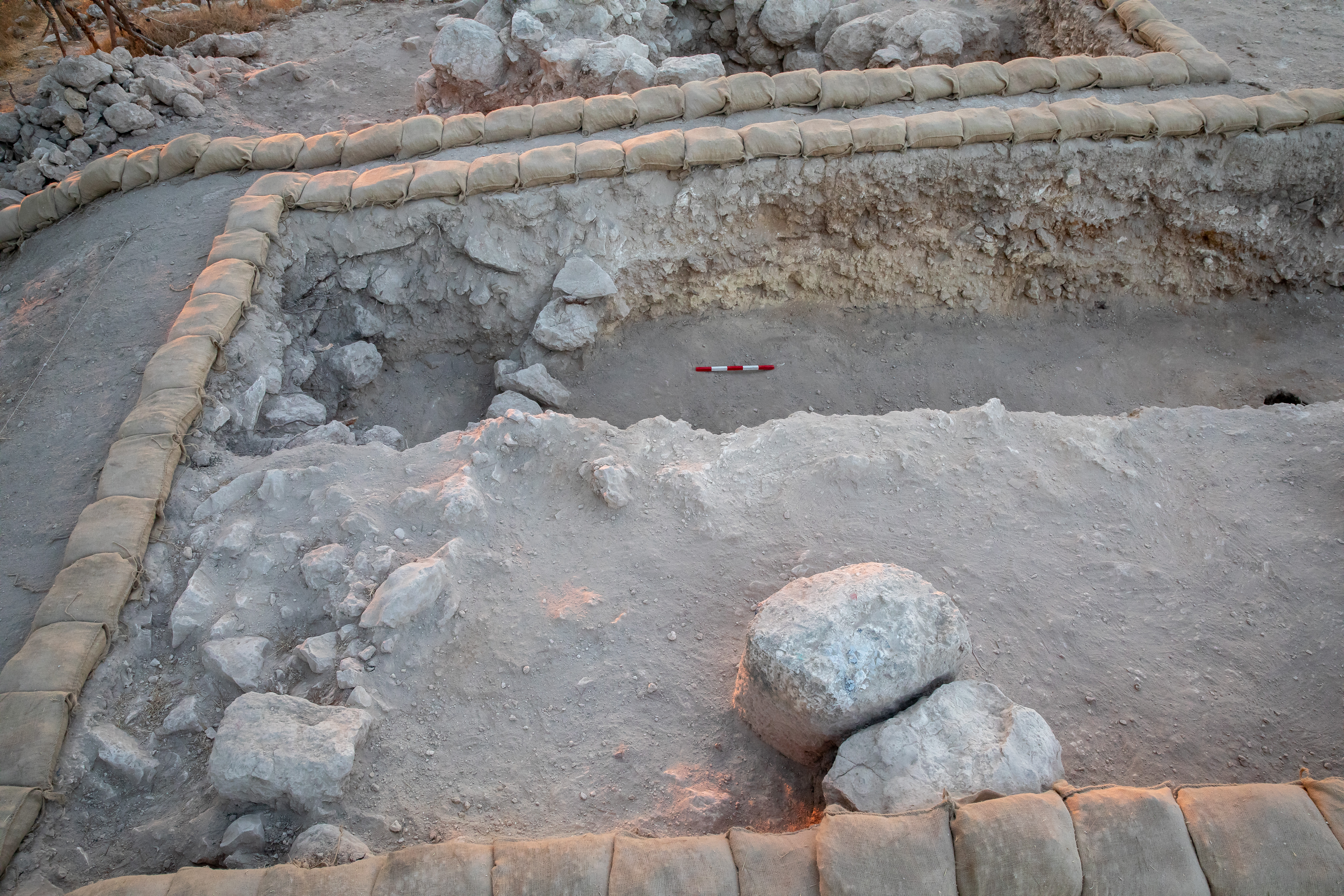
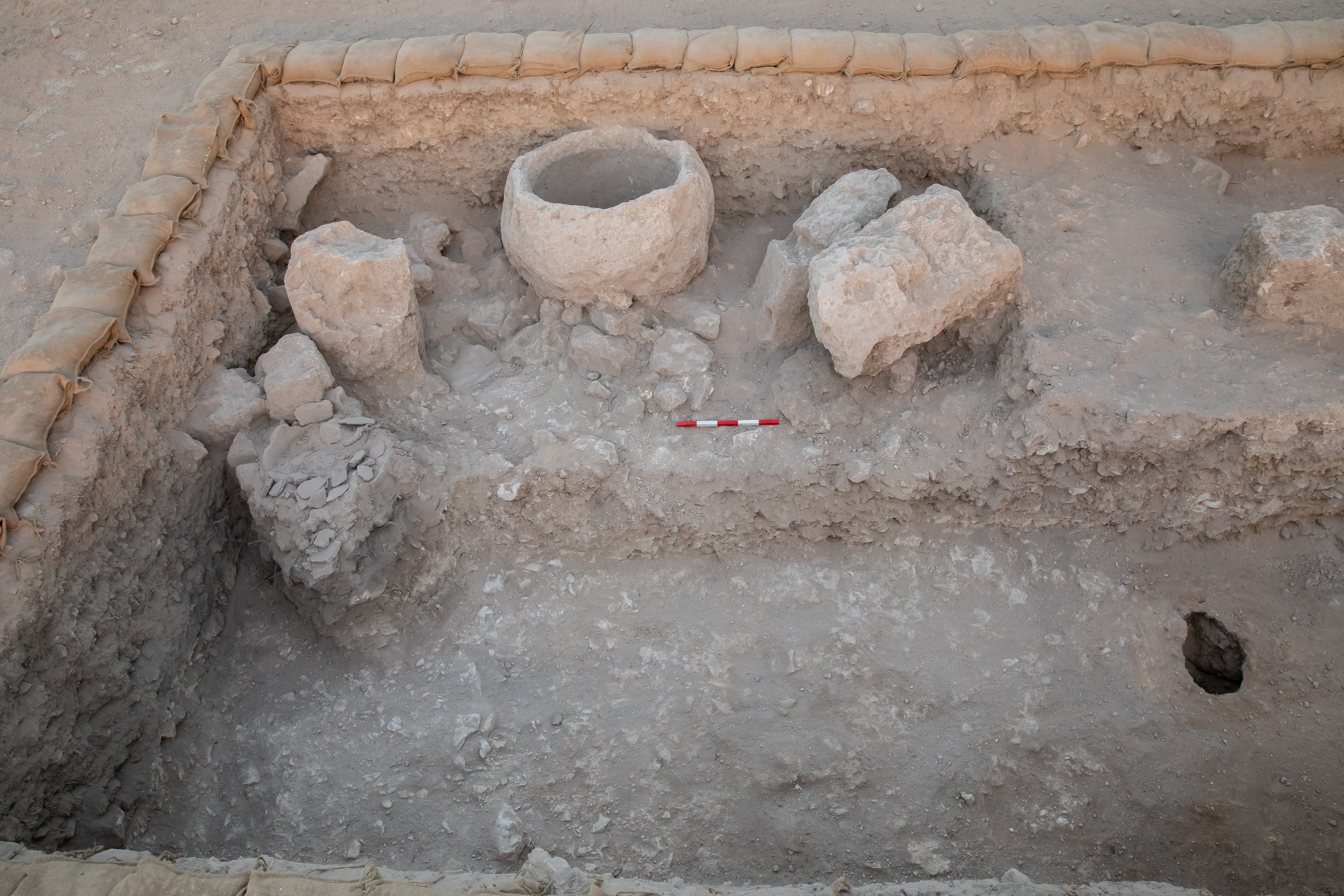
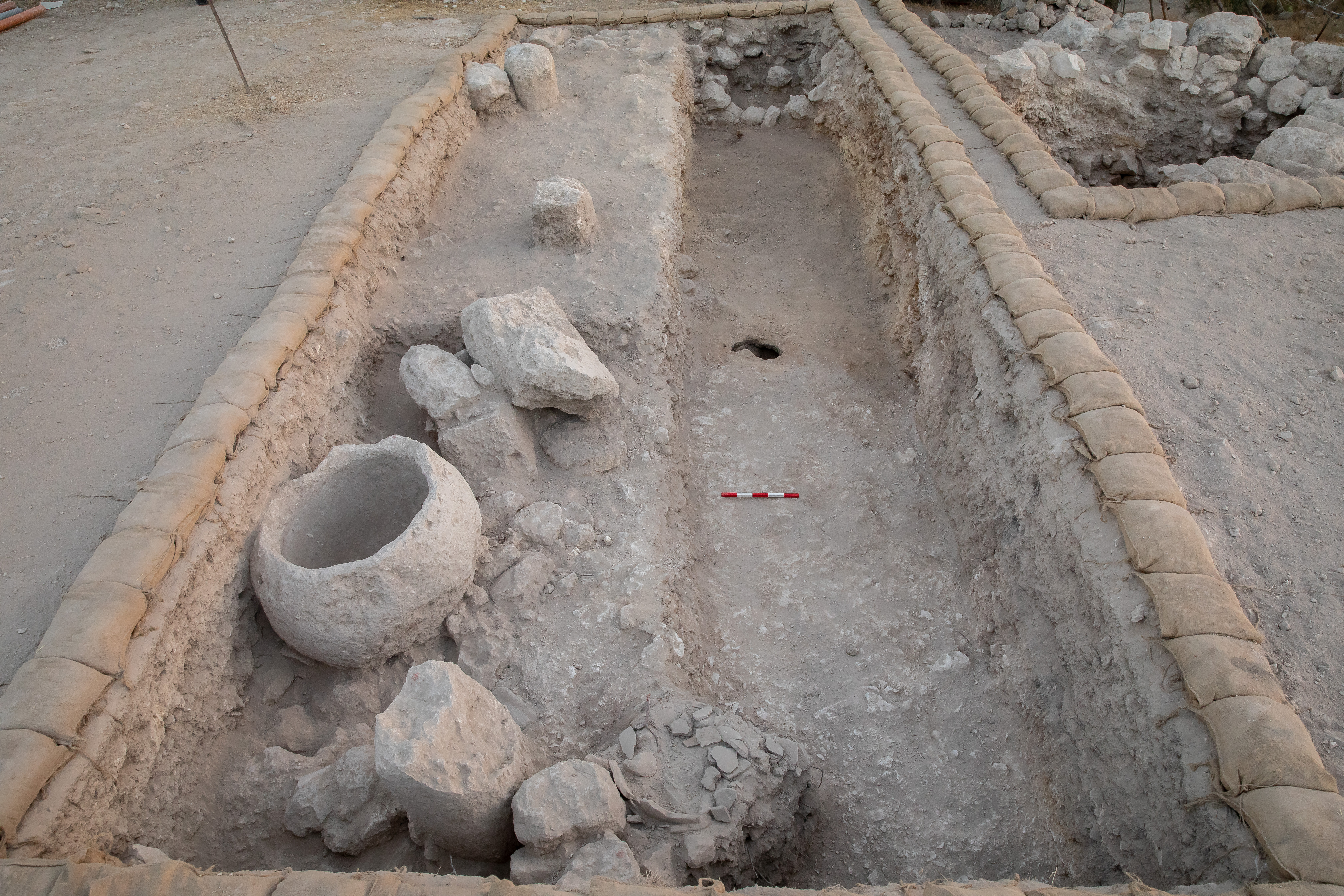
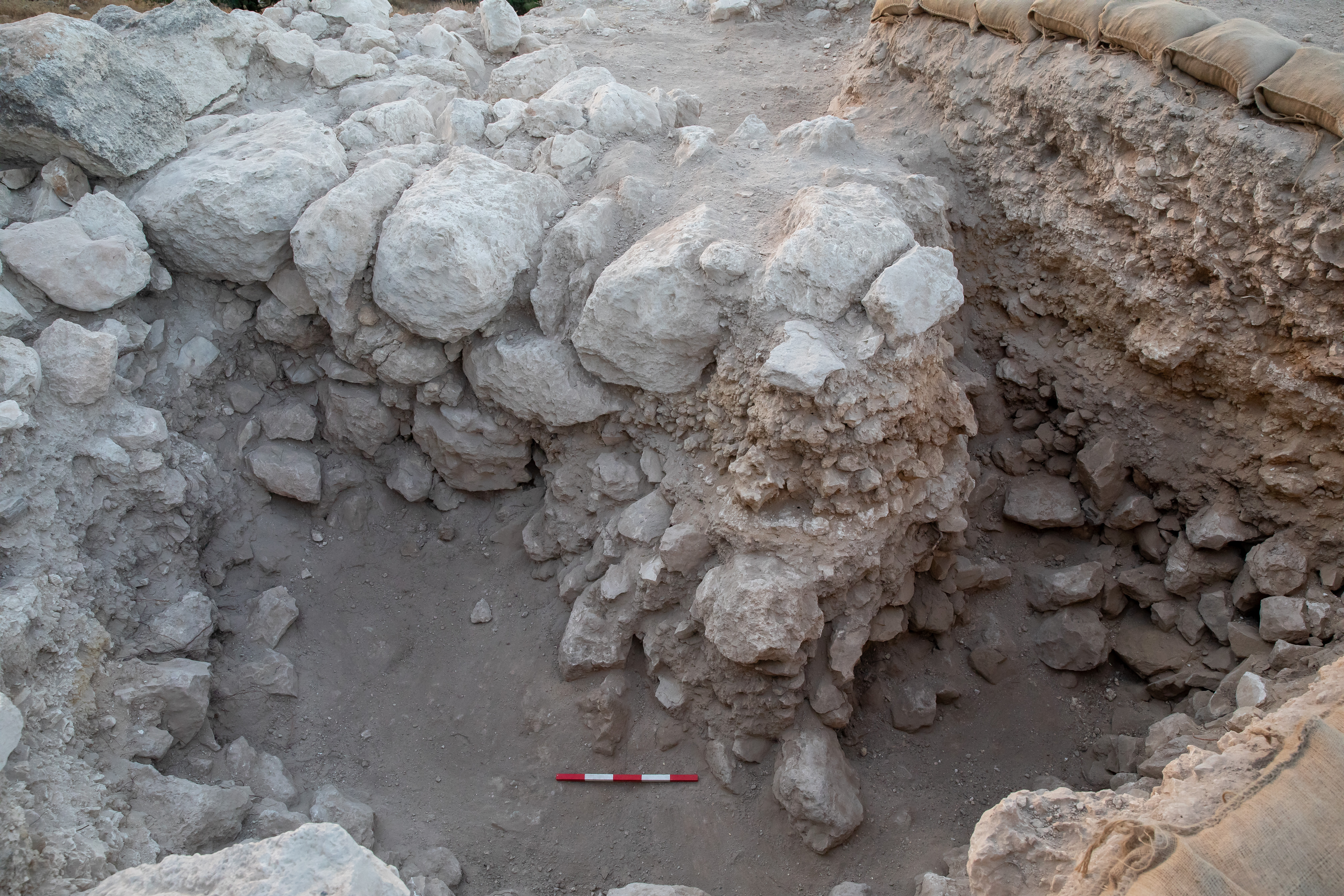
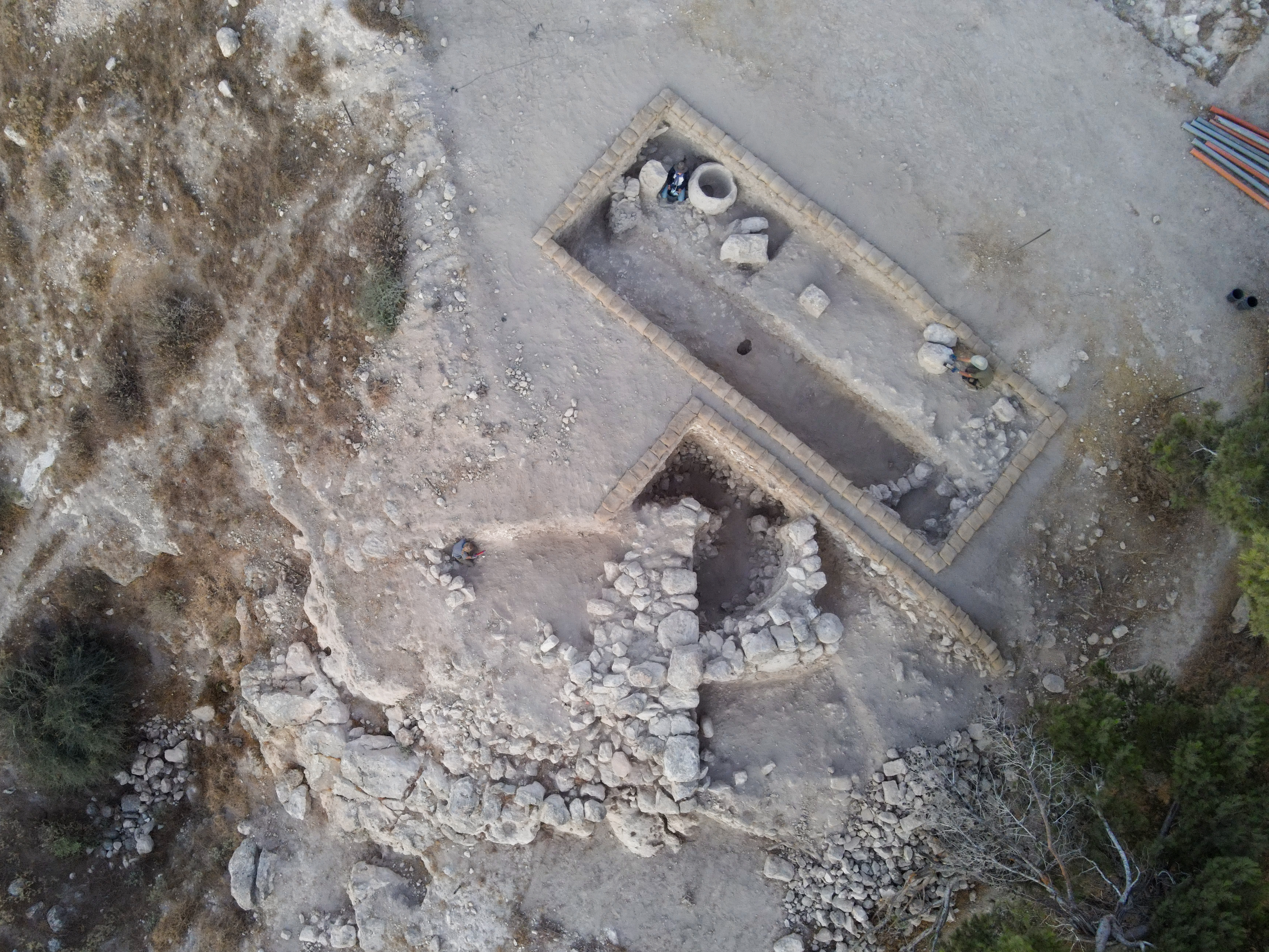
The block of antimony was found in a square to the west of the N1e Middle Bronze Age tower, about half a meter below the surface. Even after the continuation of excavations in this area in the last 2023 excavation season, it still does not have a clear archaeological context. Facilities were found in the area that were part of an industrial complex: a whole layer of stones crushed into a layer that contained a lot of quartz and industrial waste. The chronological horizon of this whole system is the Persian period, and it is possible that it already existed in the Iron IIb. We know of no parallels, and this is the beginning of comparative research.
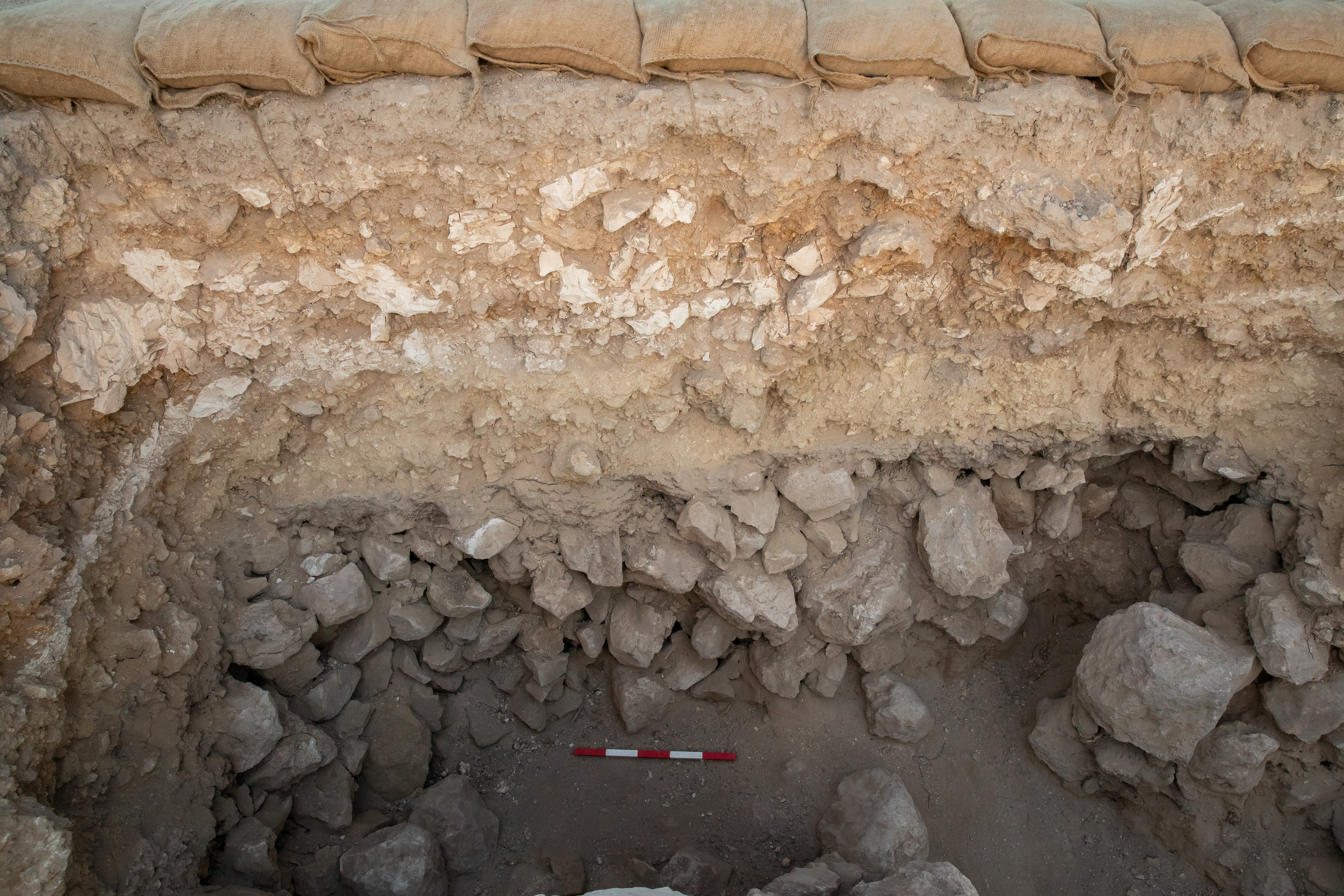
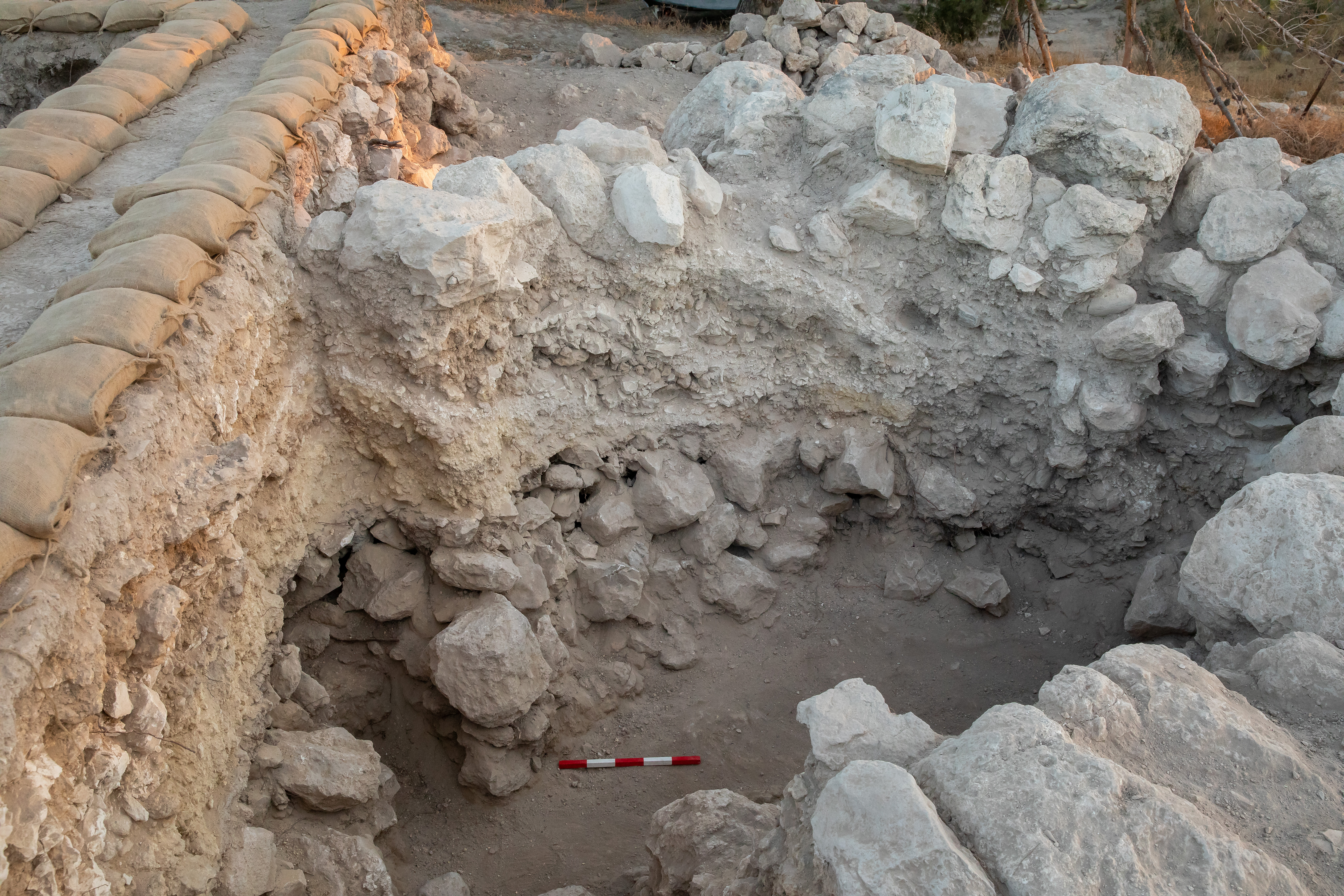
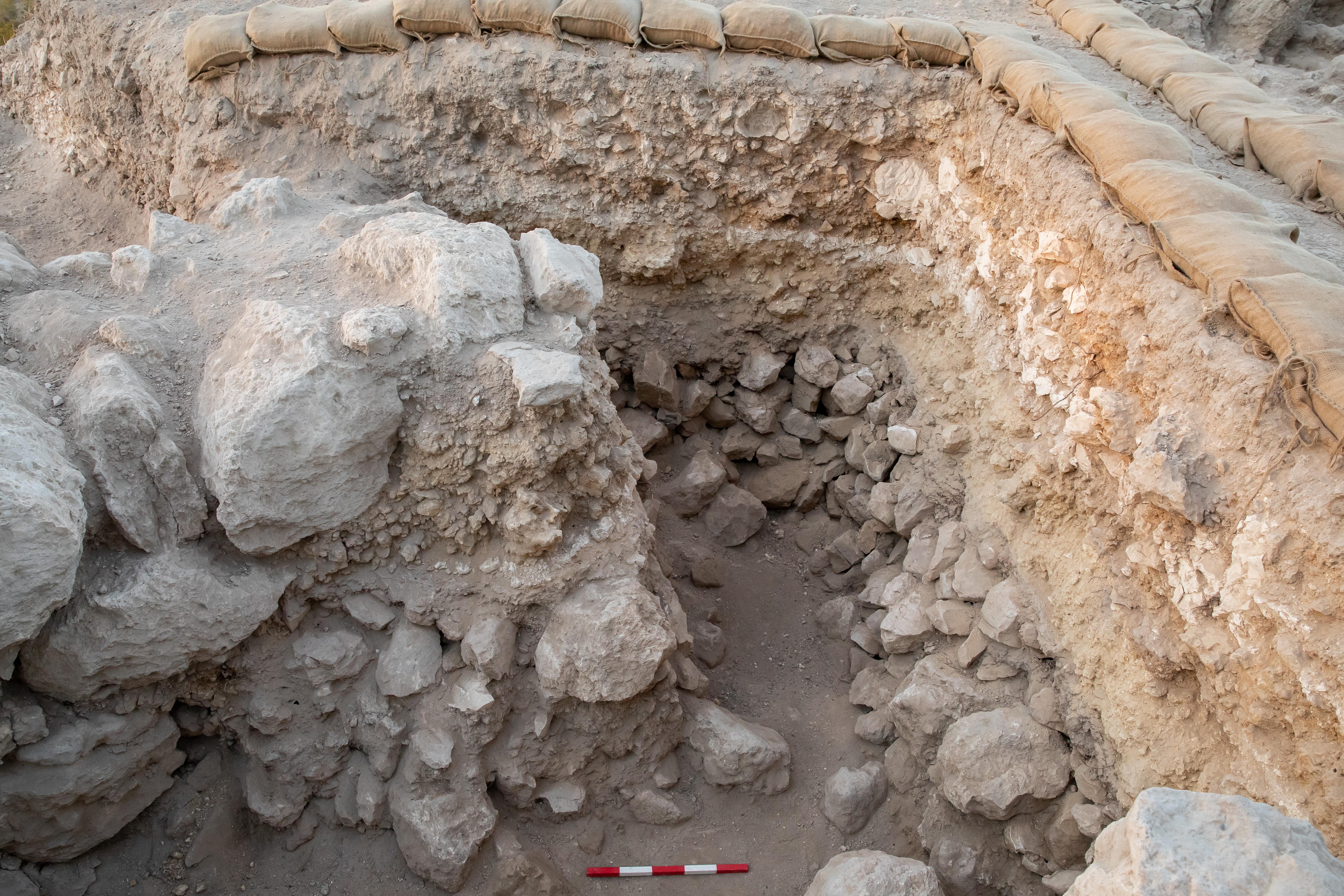
Perhaps you have an idea that will help us solve the mystery? Suggestions and thoughts are welcome!
 The Lautenschläger Azekah Expedition