
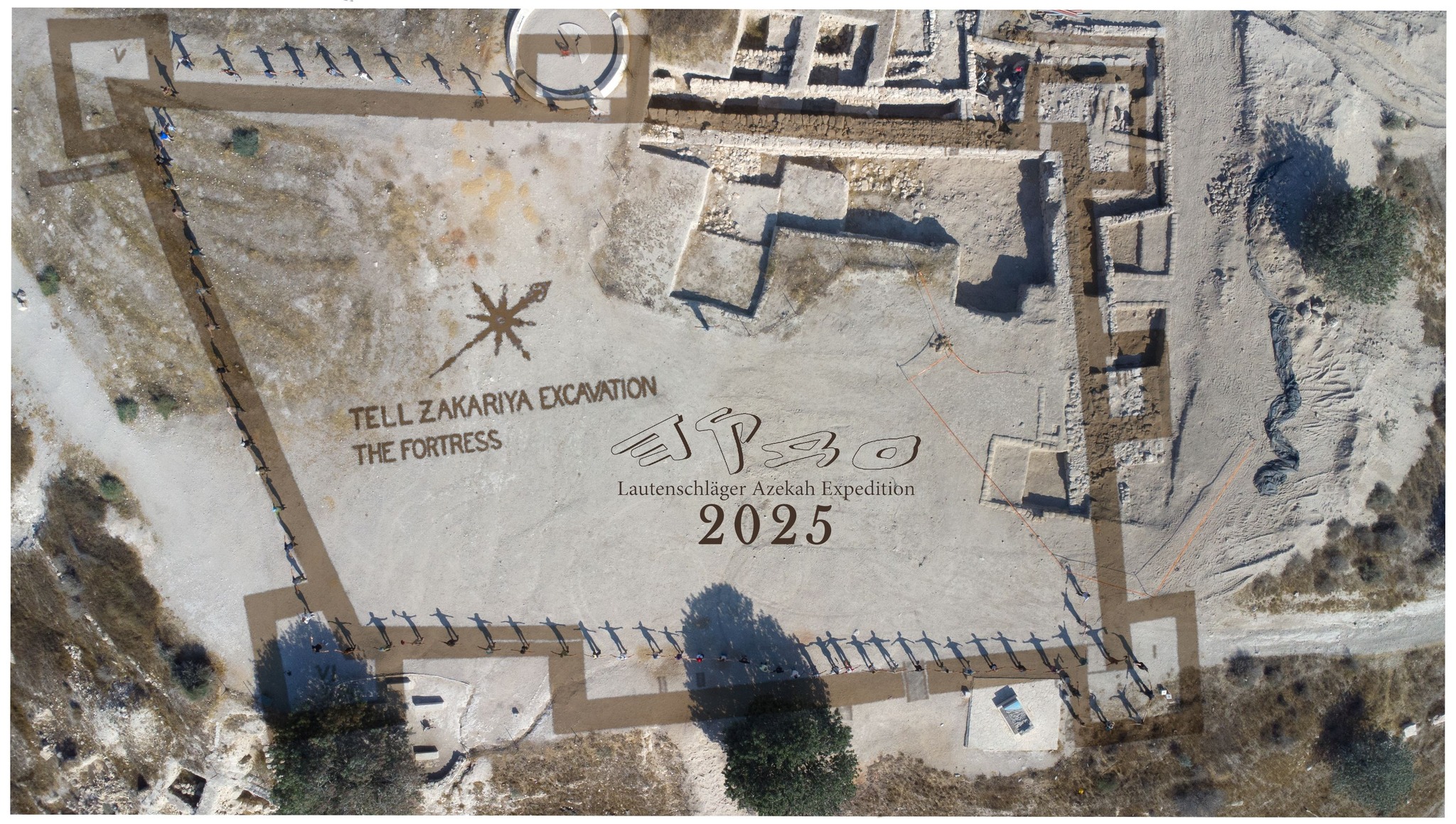
To date, only three excavation seasons have been conducted on the Acropolis—2022, 2023, and 2025. Nevertheless, these seasons have yielded an exceptional number of significant finds and exciting discoveries.
Through these excavations, we were able to identify the areas previously excavated by Bliss and Macalister, as well as the locations where further investigation is both worthwhile and necessary—particularly in areas they did not reach.
In the areas excavated outside the citadel, west of its western wall, our expectations were exceeded. A long alley running along the citadel wall was uncovered, used during the Iron Age II and likely also in the Persian period. West of this alley, numerous buildings and finds were discovered, including material typically associated with an acropolis, such as weights and a large number of stamp impressions. Especially noteworthy are the rosette stamp impressions dating to the Iron Age IIC.
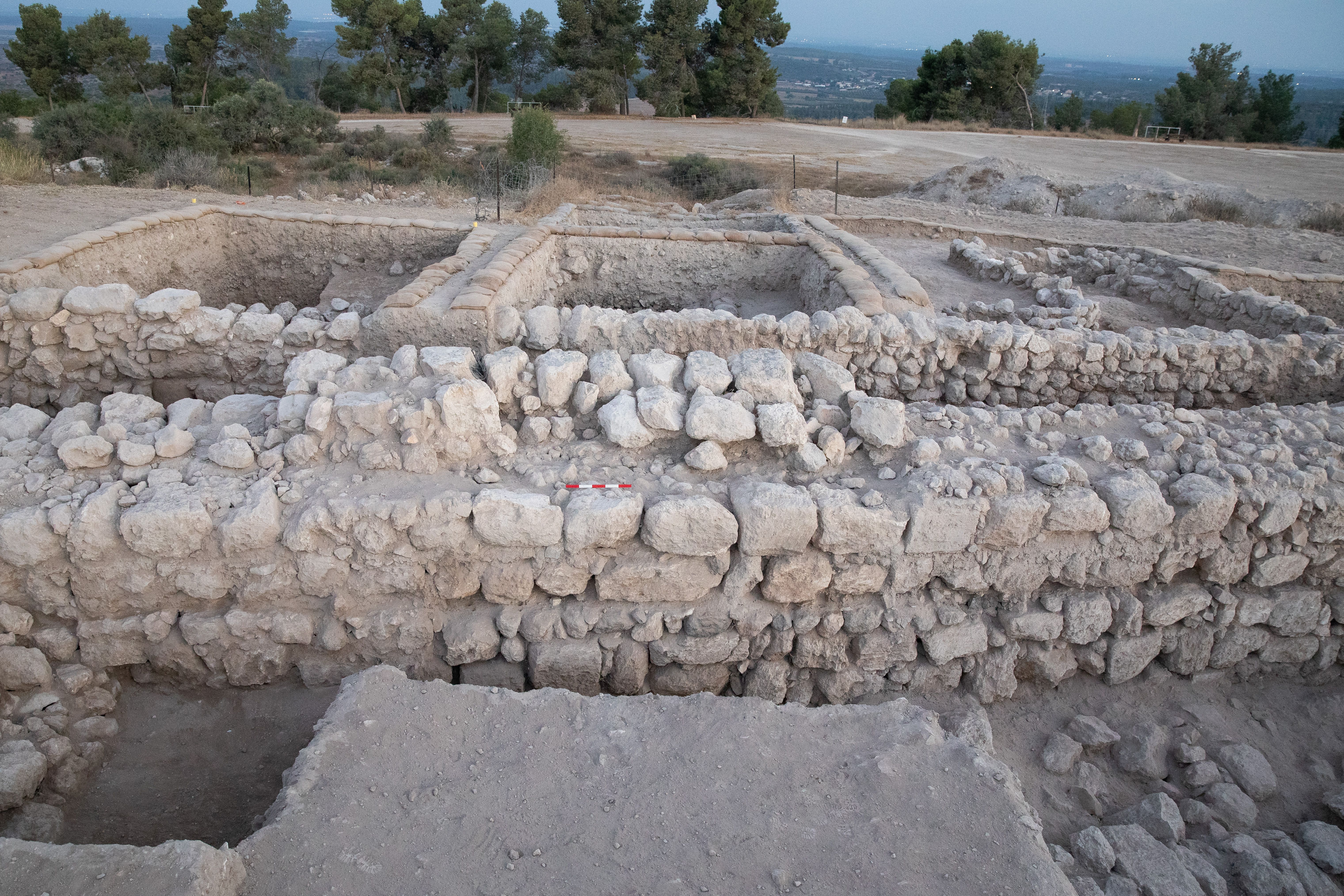
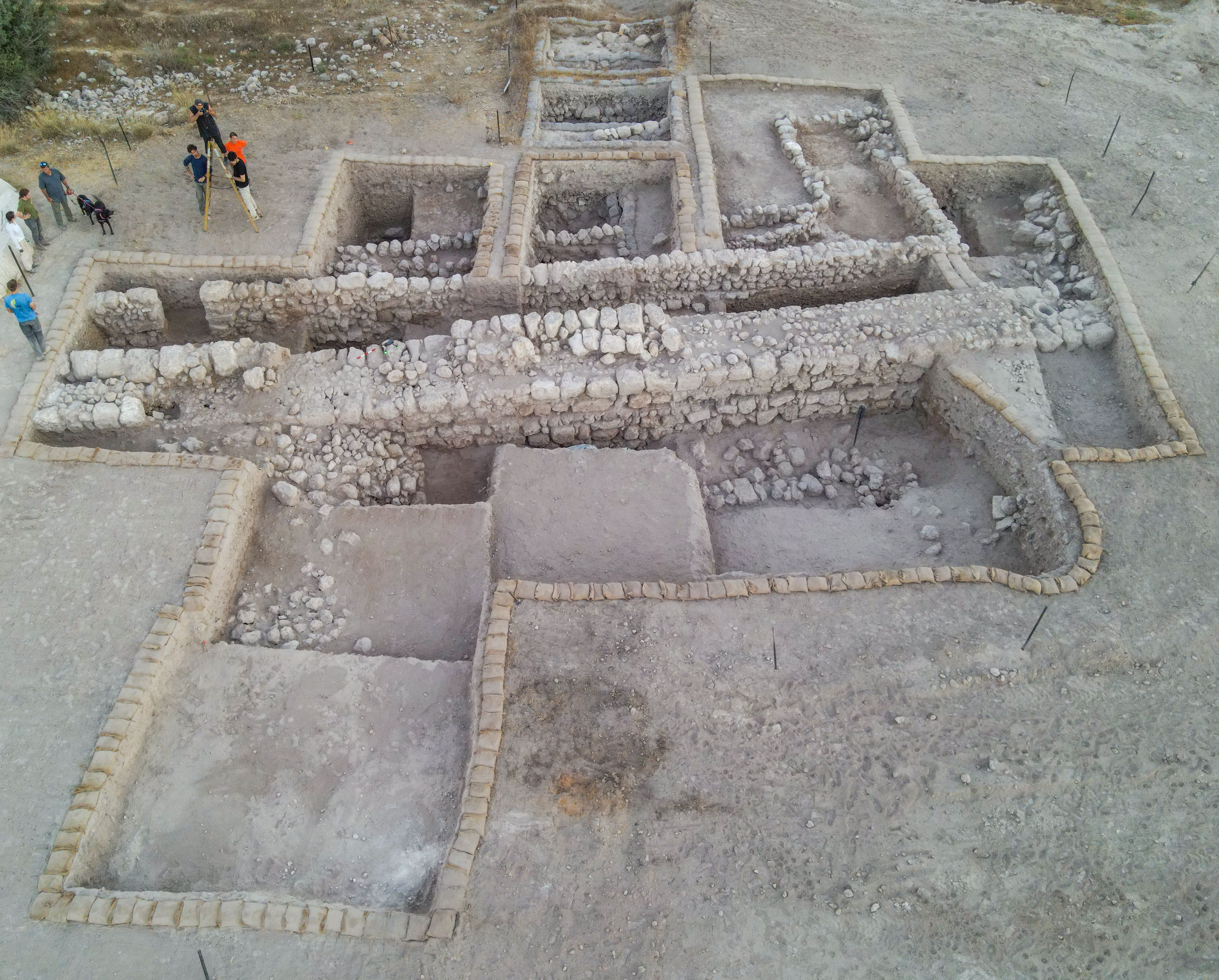
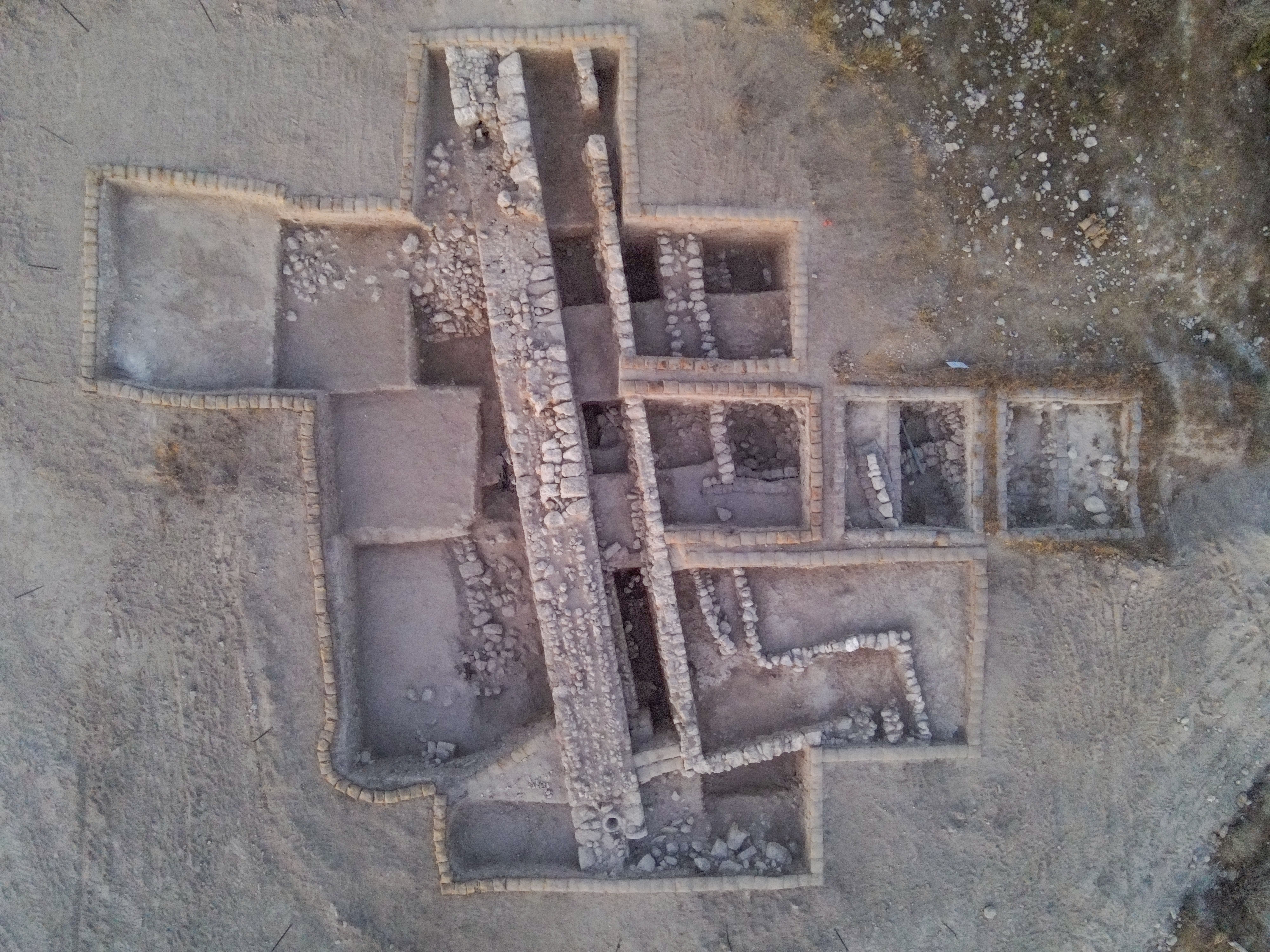
We now understand that there were at least four layers of settlement one above the other in the acropolis, from the Iron Age IIB, IIC, the Persian period and the Hellenistic period (and it seems perhaps there was more than one Hellenistic phase).
There were many pottery sherds from the Early Bronze Age, the Middle Bronze Age, and the Late Bronze Age found during the excavations, and we look forward to continuing and deepening them to see what was there during these periods.
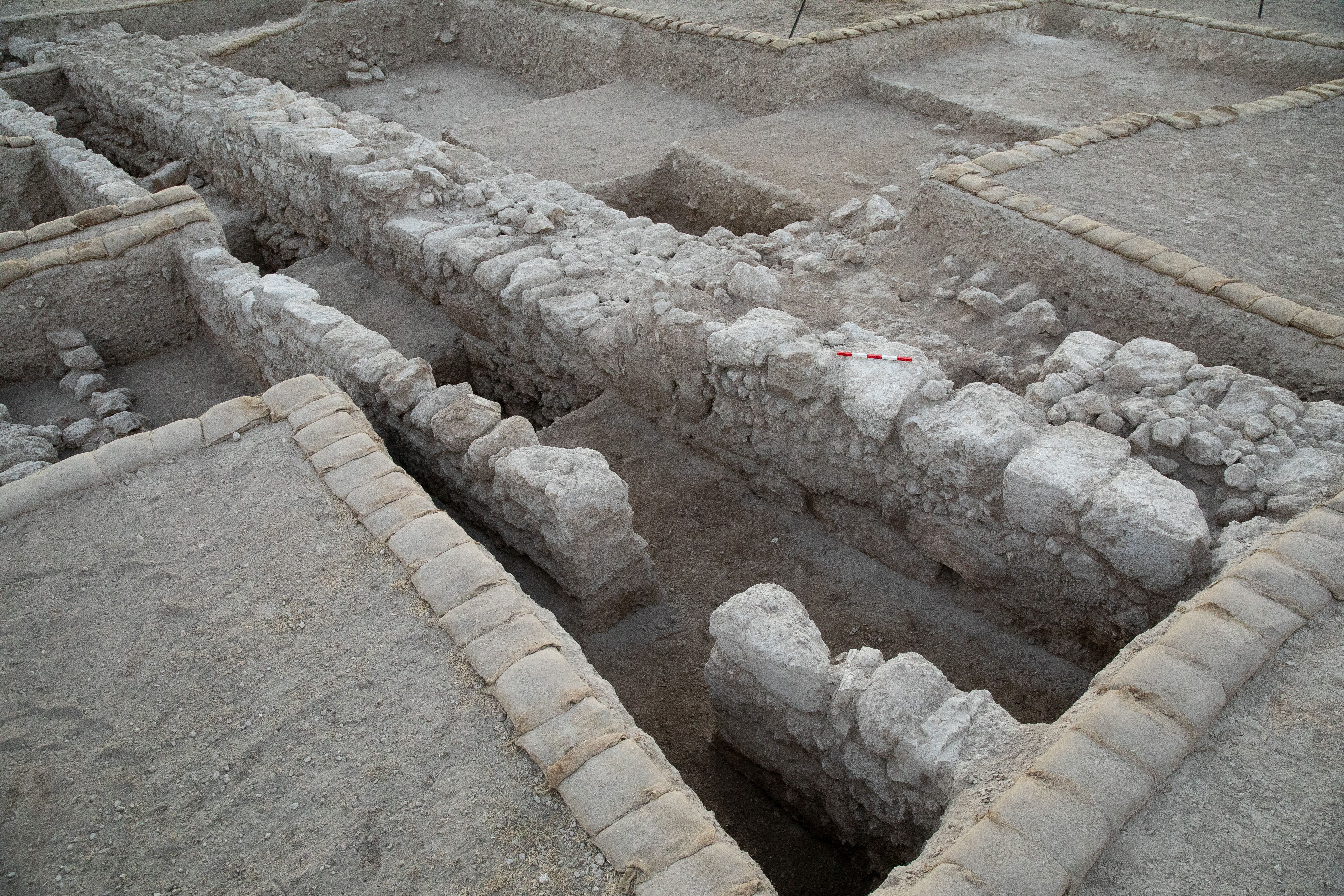
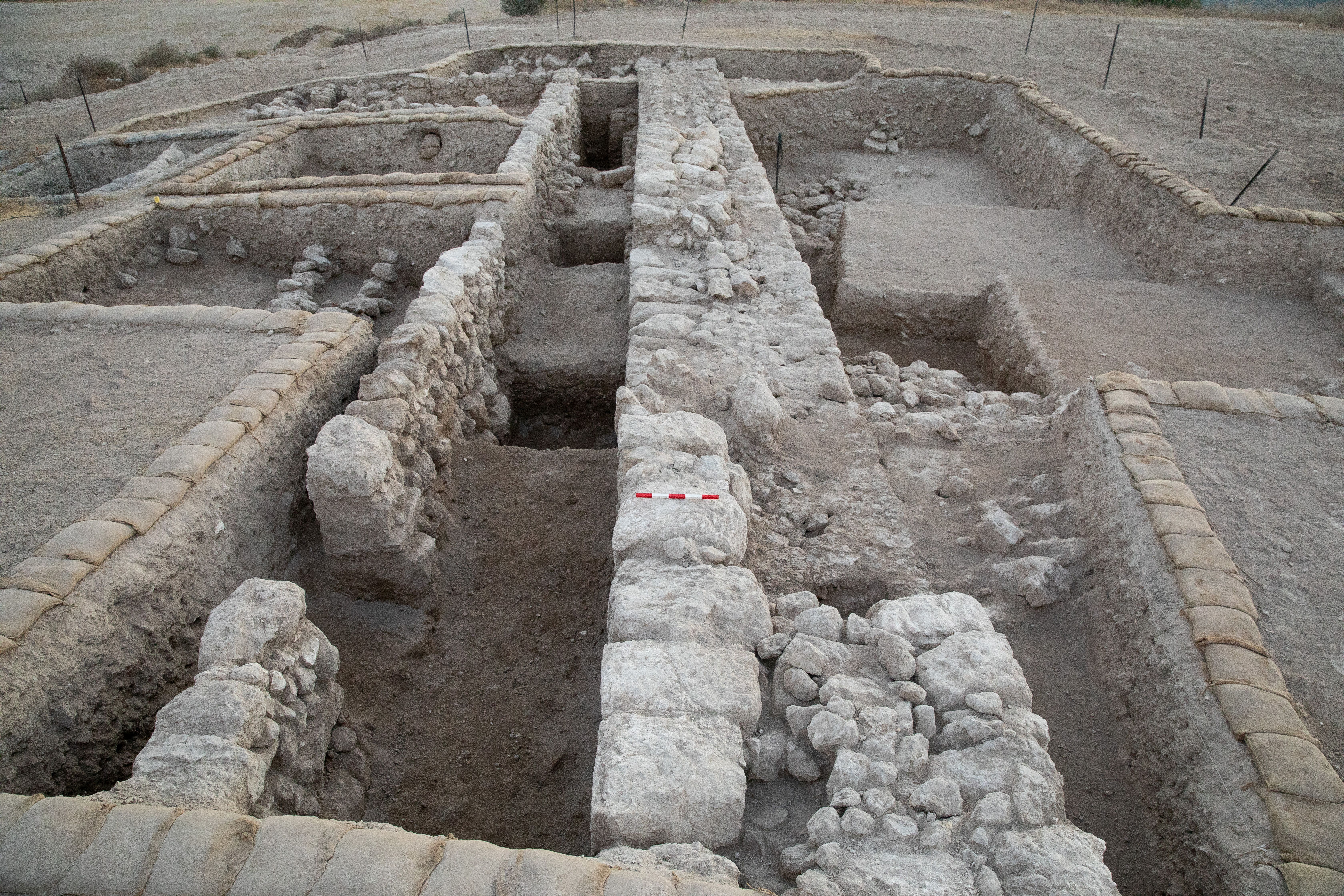
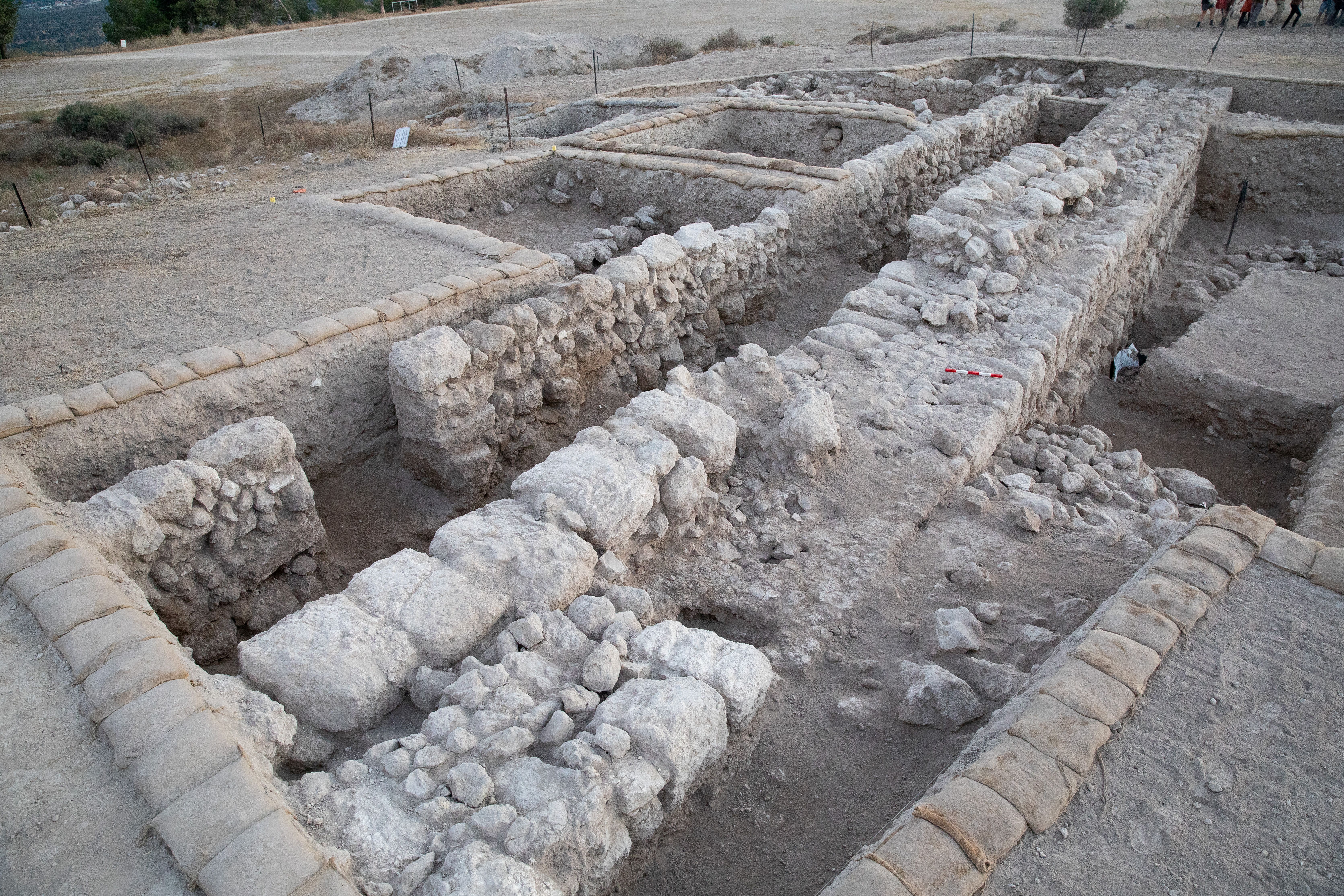
During the 2025 season, the primary goal was to expose the entire northern face of the citadel, including two of the three towers located along this section of the wall. The results were striking: not only were the towers fully articulated, but a later outer wall surrounding the citadel was also uncovered, along with the citadel’s entrance—previously missed by Bliss and Macalister.
Looking ahead, we plan to fully expose this magnificent structure in order to gain a deeper understanding of its development and to preserve it, allowing visitors to walk among its ancient walls.
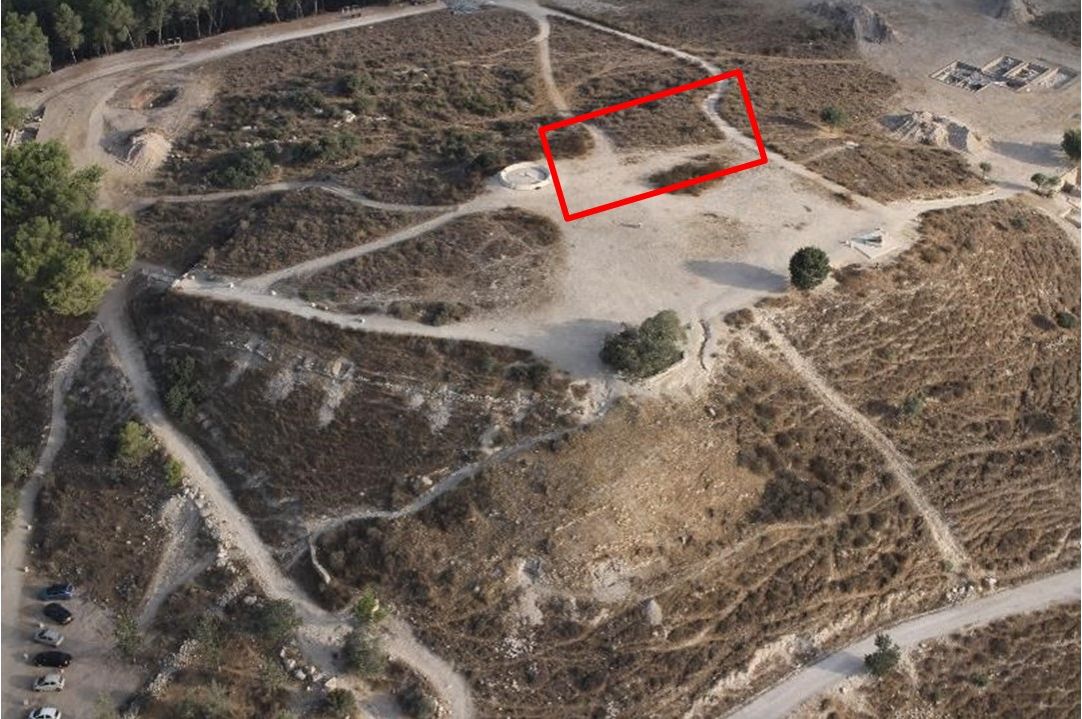
 The Lautenschläger Azekah Expedition